A good friend has not had a good experience in hospital. Below is a letter she has asked me to share publically.
She happens to have cerebral palsy and luckily I have been hanging out with folks with speech intelligibility issues and who use power wheelchairs since I was barely able to talk and...
Today I'll be doing my 5 minute submission about some of my thoughts around school attendance
Here is a link to my written submission which unfortunetely had a few typos as I ended up writting it an hour or so before the deadline, but I did my best to capture some of my observations of where impro...
Curriculum refresh
06, JunThere has been a call from the Ministry of Education for input on the following questions:
- What literacy means for your child?
- What literacy approaches, resources, tools and frameworks are required for our diverse learners?
- What big transformational shifts need to occur in order to ensure li...
I am so grateful for the VIP in NZ facebook group for keeping everyone informed regarding parliament and time frames for parliamentary submissions. They are also great at encouraging people to write to their MPs.
If you are interested in submitting your own letter, here is my draft based on their recent sample letter.
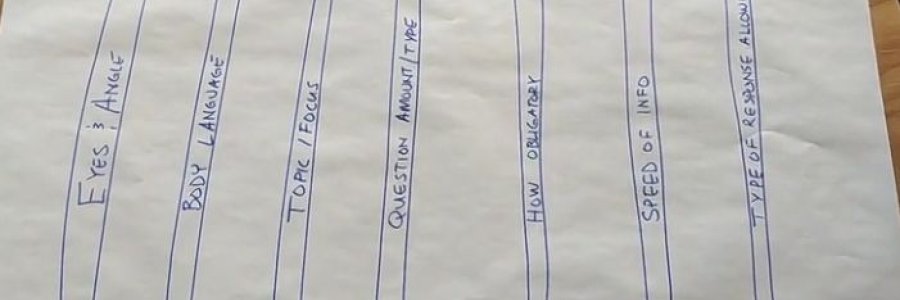
We don't treat anxiety as speech-language therapists, that is beyond our scope of practice, but it can help to feel confident about how to respond when you see anxiety in a student or client. There is also a lot we all can inadvertently do that will add to the anxiety the person is feeling, which i...